

Strauss was founded in the ‘30s, with Elite being founded in the same period of time
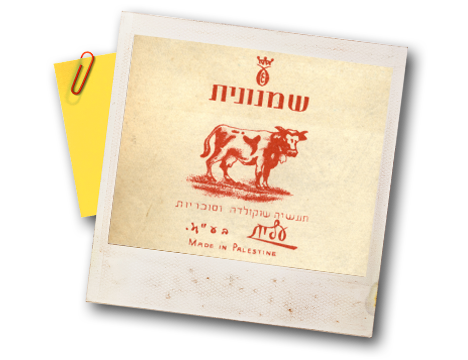
1933
A place at the end of Ramat Gan
Eliyahu Fromchenko teams up with 7 Zionist partners – Eliyahu Kopilov, David Ettinger, Yaacov Arens, David Mosevics, Aharon Nissa, Yosef Segal and Gershon Freil. Together, they establish Elite’s first chocolate and confectionery factory in Ramat Gan.
1936
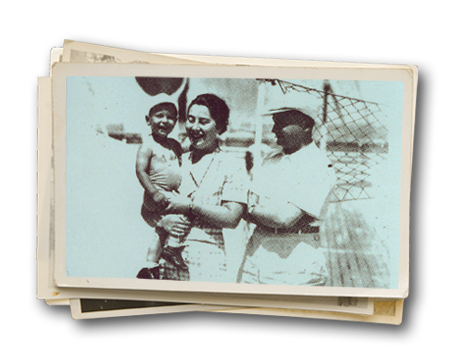
The Strauss family makes aliya
Dr. Richard and Hilde Strauss immigrate to Israel from Germany their son, Michael, and settle in Nahariya. Around the cabin in which they lived, they grew vegetables, set up a small cowshed and cultivated two cows.
1938
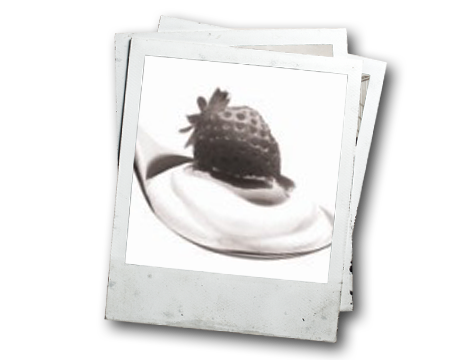
Hilde’s strawberries and cream gain fame
Hilde makes whipped cream from leftover milk and adds it to strawberries she had picked in the field near her home. Hilde’s “strawberry delicacy” quickly gained fame throughout the north, and through Richard, she began to sell it. That year, the British High Commissioner awarded the Straus family first prize for their dairy products.
1938
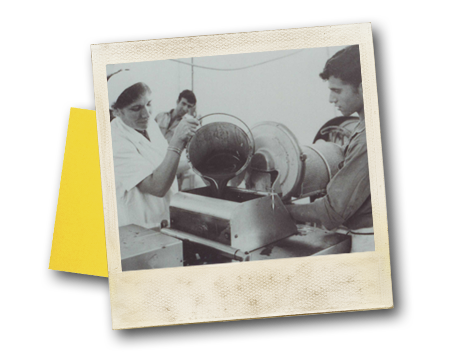
Chocolate from the Holy Land
Elite began to manufacture chocolate for the British army and the allied forces stationed in the region. Thanks to the business, Elite flourished and the factory grew and developed. Many new employees were hired and the product range expanded.
1939
A lesson in daring and responsibility
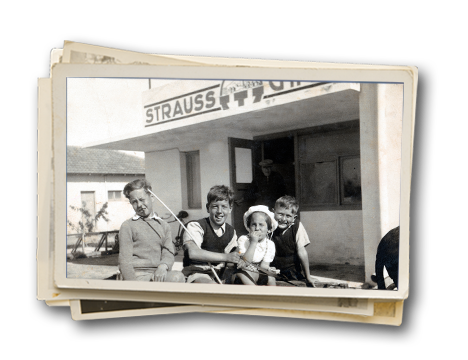
The transformation from a family farm selling its marketable surplus after the family’s needs had been met, with Michael and his father delivering the fresh milk products door-to-door in their donkey-drawn cart, to a dairy factory manufacturing and marketing these products, is one of the first signs of Jewish industry in Palestine. For Michael, this was another lesson in daring, in responsibility, and in the importance of Israeli industry – values that he would later succeed in instilling in the company, through the generations.
1939
Strauss Nahariya Dairy
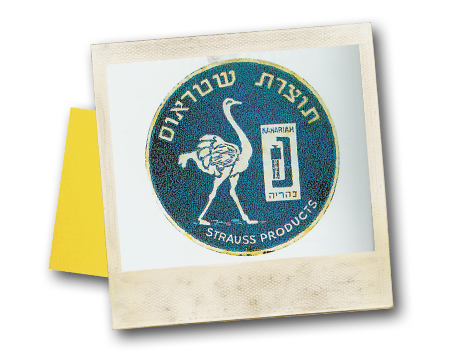
Richard and Hilde sell the cowshed and establish the Strauss Nahariya Dairy. The product packaging featured a picture of an ostrich (“Strauss” in German).
1940
Elite begins to manufacture jam
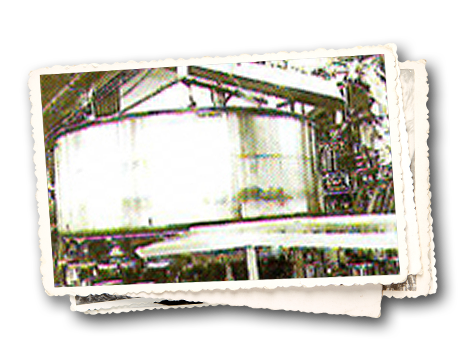
Elite acquired the Priman factory, which manufactured jams and canned vegetables, mainly for the British army. The acquisition provided a response to the need to expand production categories.
1948
Nothing stops production
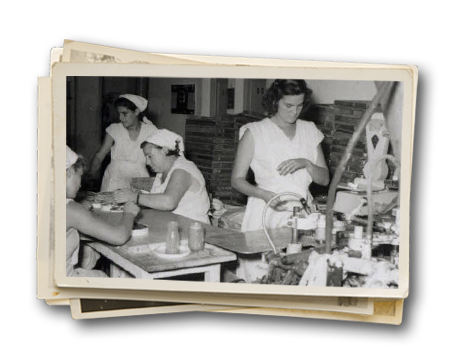
Production at the Dairy continued without a break throughout the entire War of Independence. The siege of the western Galilee compelled the Strauss family to display more than a little ingenuity – the machines were run with gasoline and the produce was pasteurized in vats heated by wood in the open field, just as they had been in the beginning.
1948
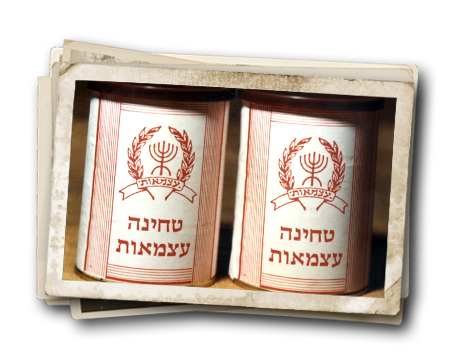
Tahini and halva in Safed
Elite established the Shahal plant for sesame products, manufacturing tahini and halva. The plant provided jobs for the residents of the surrounding area. At the same time, the veteran Elite plant in Ramat Gan hired large numbers of new immigrants.
1949
I scream, you scream, we all scream for ice cream
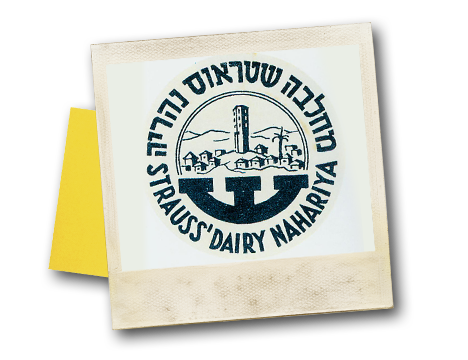
Hilde Strauss began her first attempts at making home-made ice cream. The ostrich symbol that had adorned the Dairy’s product packaging was replaced by a picture of the Nahariya water tower.
1956
Elite in Nazareth, too
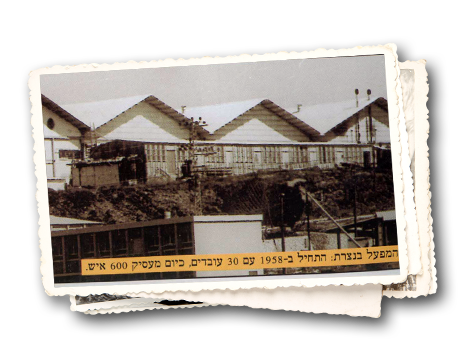
Elite acquired the C.D. confectionery factory in Nazareth, which was to become the company’s flagship plant. The acquisition increased Elite’s output and production capacity in the growing market of the young Israeli state.
1956
A new generation – a new era
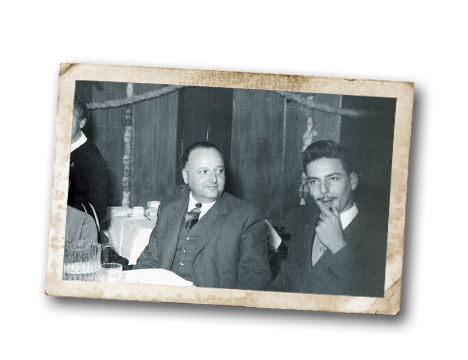
Michael Strauss completes his studies as a milk technician and joins his parents’ lifetime endeavor. This act was the landmark event, the precursor of the huge transition that was to take place in the dairy and the expansion of its product range.
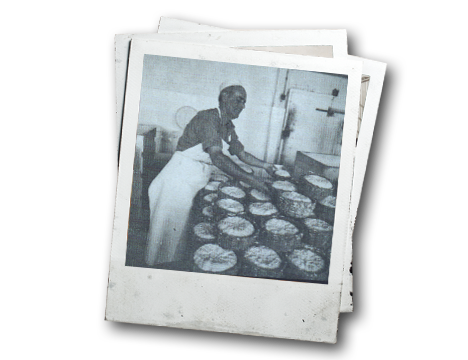
1957
Professionals for gourmet cheeses
Concurrently with the organizational processes, Michael recruited top line professionals in the dairy market, who helped him differentiate Strauss from Tnuva by manufacturing gourmet cheeses. For Michael, cheese-making was also a true love.
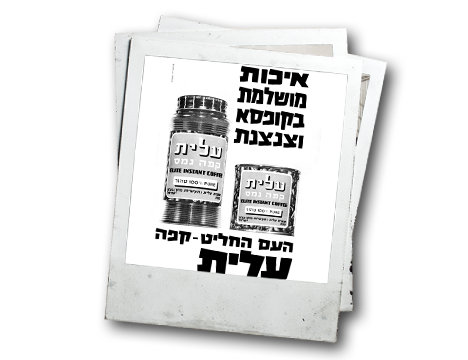
1958
The people vote Elite Coffee
Elite made a daring decision to manufacture instant coffee in Israel, and in May, the instant coffee plant in Safed was inaugurated. Success was immediate, and Elite Instant Coffee quickly became a familiar favorite in every Israeli home.
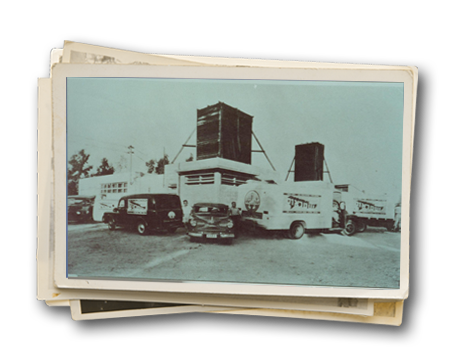
1958
A giant step up in marketing and distribution
Strauss innovates with unique packaging and expands its product range. At the same time, Michael Strauss creates a revolution in marketing and sales and supports the company’s growing expansion by building an independent distribution system based on a unique model, thus enabling the continued penetration of the Tel Aviv market and thence, countrywide.
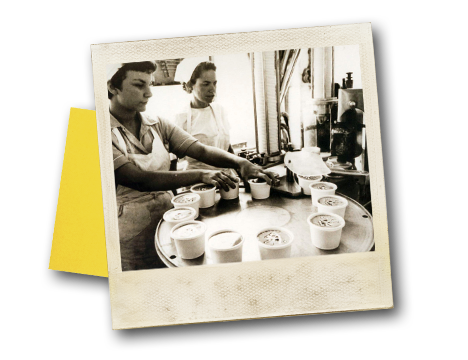
1959
The minister lends a helping hand
The Strauss family’s small dairy ran into financial difficulties. As a last-minute pitch, Richard and Michael approached Pinchas Sapir, then Minister of Industry and Trade, who gave them a loan on the spot. As a result, the production of ice cream became a reality, and the number of employees reached 120.
1962
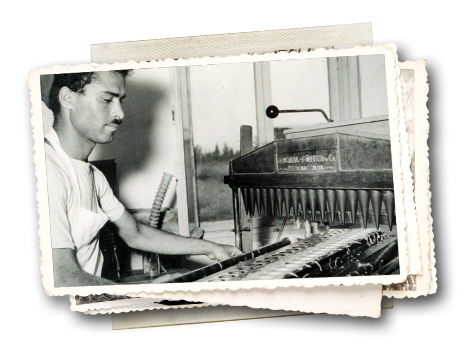
The cornet comes to Israel
Strauss leased an ice factory in Acre and established the first ice cream factory, which manufactured ice cream in a cone shape, called “Tilon” – a concept that Hilde had seen in Italy. The Tilon quickly became a hit and a household name among Israelis.
1962
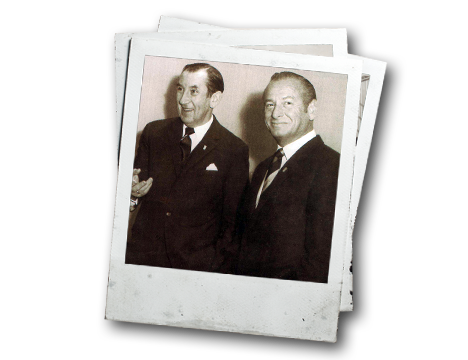
A change of generation in Elite
After Eliyahu Fromchenko’s death, the second generation took over the management of Elite. Abba Fromchenko, a meticulous engineer, concentrated on production processes, while Mark Mosevics took on the job of public relations. Thanks to the collaboration between the two, Elite became the biggest company in the Israeli coffee and confectionery market.
1962
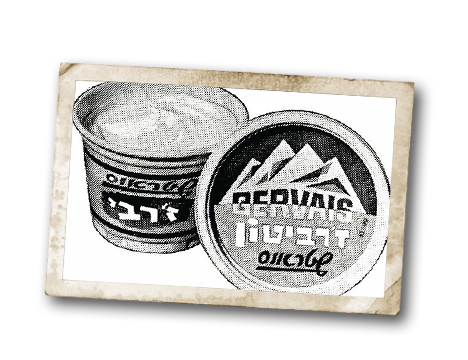
A threatened lawsuit becomes a know-how agreement with Danone
Strauss began to manufacture fresh cream cheese called Gervais, which was based on a recipe Michael had brought from Switzerland. Two years later, the company Charles Gervais of Paris (Danone) threatened a lawsuit. Richard Strauss went to France to sort things out and returned with a know-how and royalty agreement with the French company.
1963
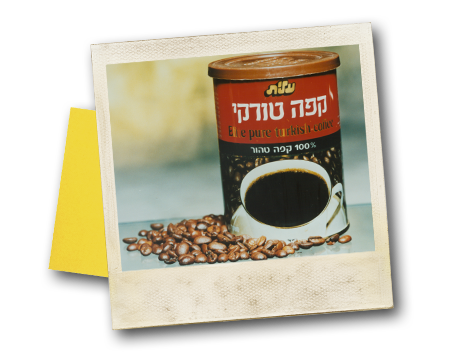
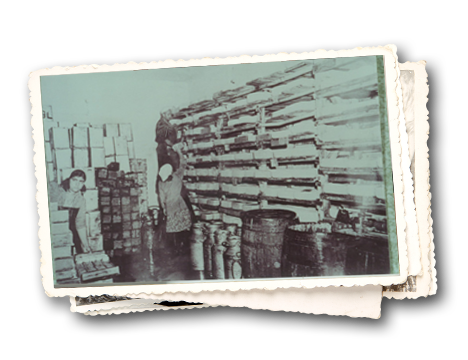
Roast and ground coffee
Following the sweeping success of Elite Instant Coffee, Elite acquired Café Co in Lod and changed its designation from the production of instant coffee to roasted coffee. Among other things, the newly acquired plant manufactured Zip powdered juice drink, Chocolite and Chocopele. Today, it is considered the leading facility in Israel for the production of various types of roast and ground (R&G) coffee.
1963
Learning from the best
Following the knowhow agreement, each year Michael spent one month at Gervais’ production facilities to learn new technologies that were a significant breakthrough for the small dairy. Michael turned his thirst for knowledge and the recognition that one must always learn from the best in the field into part of Strauss’s business perspective.
1969
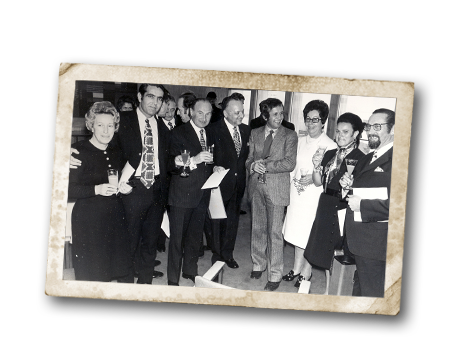
Agreement with Danone
The Strauss family signed a partnership agreement with the international Groupe Danone, thus granting the company collaboration and access to Danone’s professional knowledge. Strauss began marketing Danone products in Israel. The Dairy embarked on a new age, and Strauss’s water tower was replaced with a new logo.
1970
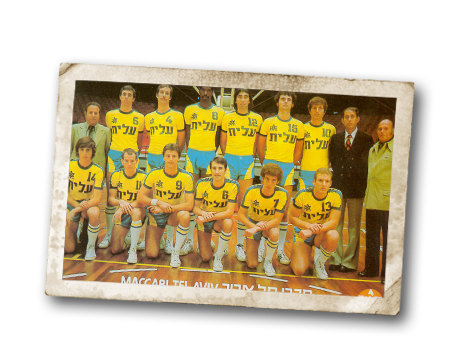
Maccabi Tel Aviv Basketball
Recognizing that a big company is obligated to help the community in the spheres of education and culture, Elite management began to sponsor the Maccabi Tel Aviv basketball team. The shared journey with Maccabi would continue for over 35 years.
1970
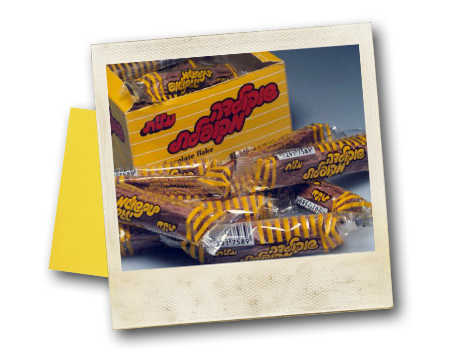
How sweet it is…
Following intense competition with the confectionery manufacturer Lieber the latter merged with Elite. Thus, Elite became the leading company and the biggest (and virtually exclusive) manufacturer in the Israeli confectionery market.
1972
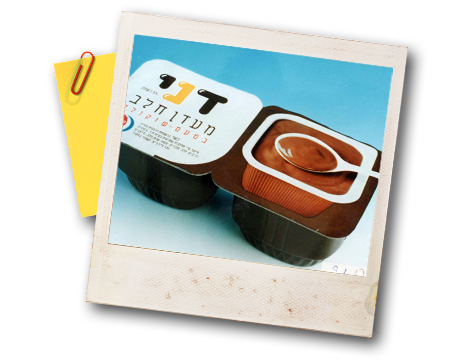
“Mommy, I want Dani”
Using the French Groupe Danone’s knowhow, in the new plant Strauss created Israel’s first ready-to-eat pudding – Dani. Michael continued to turn Strauss into an innovative company that was not only the first to bring the fresh dairy dessert category to Israel, but also introduced a completely new concept – convenience.

1973
On the battlefront, at the forefront of the economy
During the Yom Kippur War Elite continued to manufacture and supply its products to the security forces and the civilian market. To accomplish the task, Elite’s production facilities worked 24 hours a day. In the same year Elite went public, raising $3.2 million in a share and capital note issue.
1974
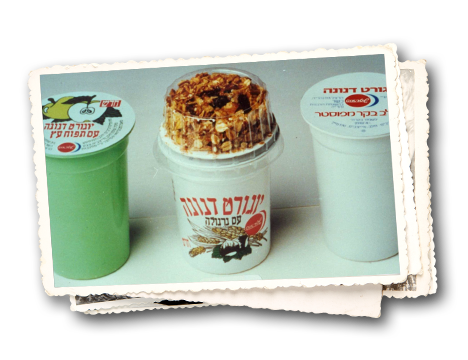
Here’s to your health – yogurt comes to Israel
Thanks to the collaboration between Strauss and Danone, Strauss brought the latest
international health news to Israel – yogurt. Through Danone yogurt, Strauss became
a key player in the market.
1975
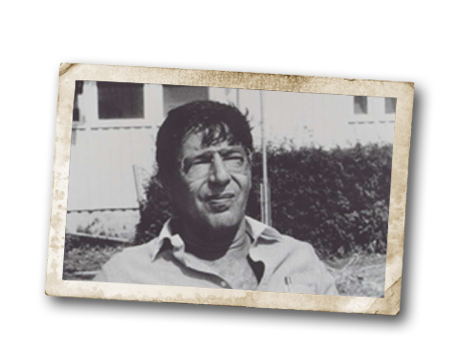
The second generation takes the helm
Dr. Richard Strauss, founder of Strauss, passed away. An industrialist who was
known as a man of vision, blessed with a broad, long-term perspective that set a
precedent in its daring. After his death, his children Michael and Raya took over the
management of the family business.
1976
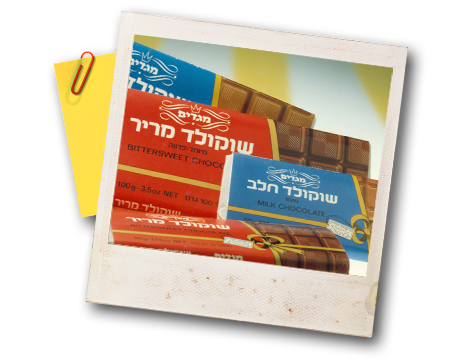
“Megadim” for the ultra-Orthodox sector
Elite launched the Megadim series – chocolate and confectionery for the ultraOrthodox Jewish sector, manufactured under strict kosher guidelines which included
supervision from milking through to packaging.
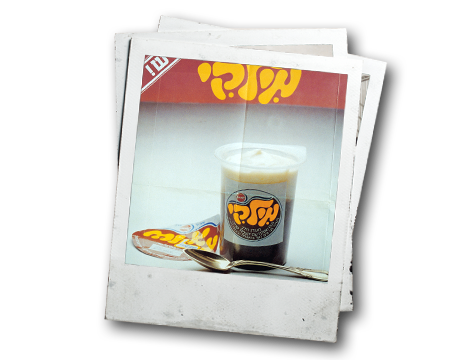
1979
Milky: a star is born
Strauss began to manufacture Milky, which in time was to become the most
successful dairy chilled dessert in Israel and Strauss’s flagship product in this
category.
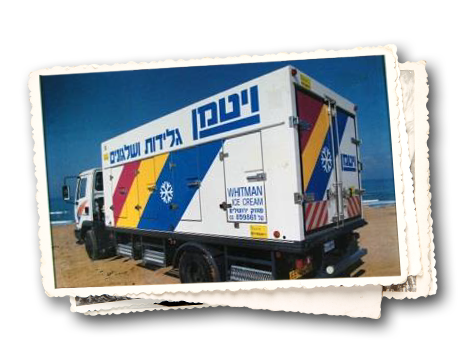
1979
Ice cream – a lesson in mergers and acquisitions
As a strategic move, Strauss acquired its biggest rival – Whitman Ice Cream.
At first, only the production process was merged, but the brands remained separate and were separately managed. The merger process, which was gradually implemented over a three-year period, did not involve any dismissals.
.
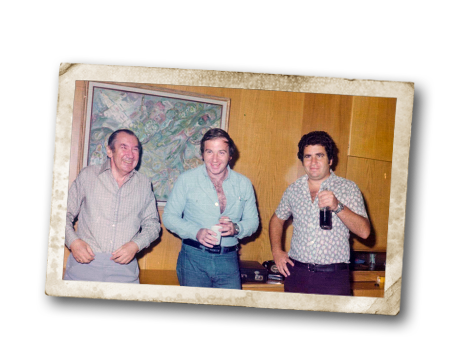
1981
Elite’s third generation
Abba Fromchenko retired from the position of general manager of Elite, making way
for the members of the third generation – David Mosevics and Avi Pelossof – at the
helm of the company.
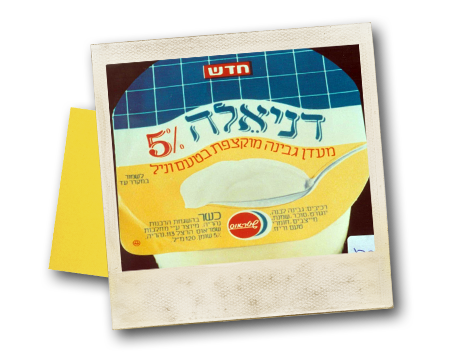
1982
The Arab boycott
After ten years of successful collaboration, in the wake of the Arab boycott of Israeli
products, Gervais Danone announced its desire to dissolve the partnership. Strauss
bought back its shares in the agreement that it would be permitted to continue to use
the brand names Dani, Danone and Daniela, on condition that they would be written
in Hebrew.
1984
Change of control of Elite
David Federman began buying Elite shares until he gained control of the company –
after he had bought 23% of the shares he began negotiating with the founding
families for the acquisition of their holdings. The founding families, embroiled in a
competition over which would achieve the most favorable terms, lost the company.
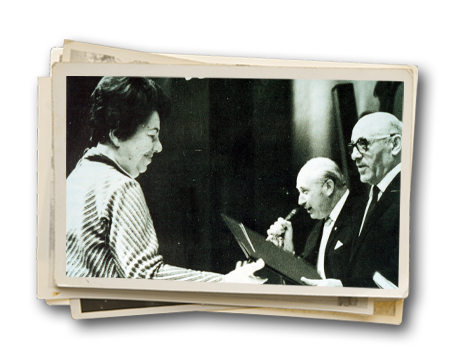
1985
Hilde Strauss passes away
Hilde Strauss, who founded the company together with her husband, Richard,
passed away. The woman who was known for her enthusiasm, joy of creation,
genuine passion for food and the courage to try and try again until she succeeded in
creating a superior product.
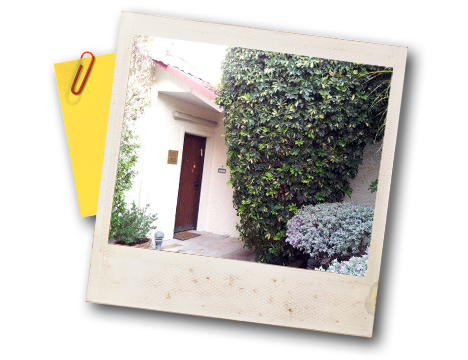
1985
The Founders’ House is established
After Hilde’s death, Michael and Raya converted their parents’ modest home on the
plant premises into a memorial in their commemoration. The house has been
preserved exactly as it was during Richard’s and Hilde’s lifetime. To this very day, it
serves as a venue for get-togethers of the company’s managers and employees and
a meeting place for members of the Strauss family.
The house serves as a statement of their wish to preserve the company’s warm family spirit, even after it has grown.
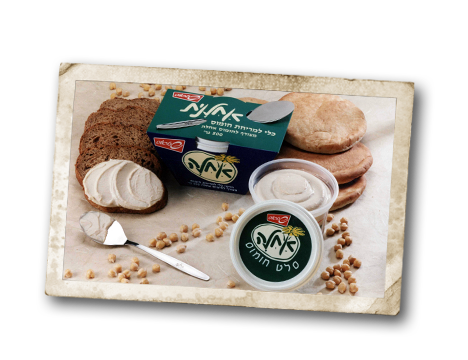
1991
Strauss’s hummus revolution
Strauss entered the hummus market following the acquisition of the “Mi Vami”
hummus factory, subsequently changing its name to Strauss Salads and later, to
Hummus Achla. Led by Ofra Strauss, the Mediterranean salads revolution was on its
way, the “Achla” brand was launched and with it, a broad variety of spreads and dips
that liven up the tables of millions of consumers in Israel.
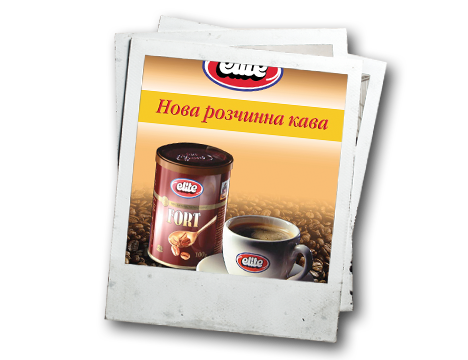
1991
Elite steps out into the big wide world
Alongside its local operations, Elite began marketing coffee in Poland. The company
later established a coffee plant in the city of Poznan and gained a leading position in
the Polish coffee market.
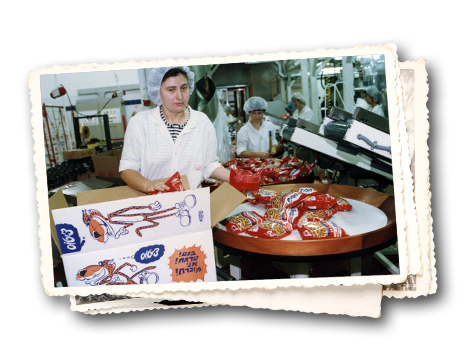
1992
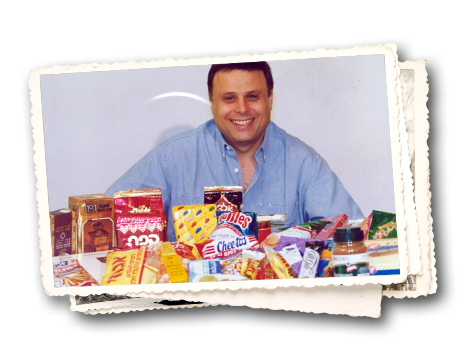
Teaming up with PepsiCo
Elite signed a know-how agreement with the US food giant and the world’s largest
manufacturer of salty snacks, PepsiCo, following which the best-selling international
salty snacks such as Cheetos and Ruffles “immigrated” to Israel.
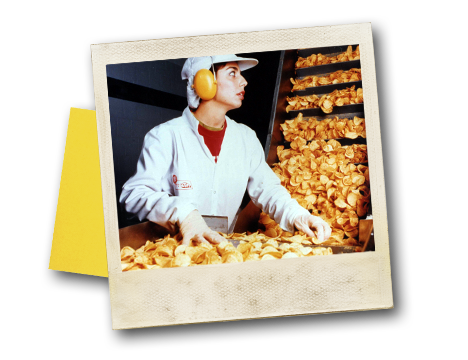
1992
Salty snacks in Sderot
The salty snacks production plant was established in Sderot, bearing the name “Elite
Sha’ar HaNegev”, and the company invested in the development of a superior potato
variety that would be used to manufacture potato snack products and grown in Israel.
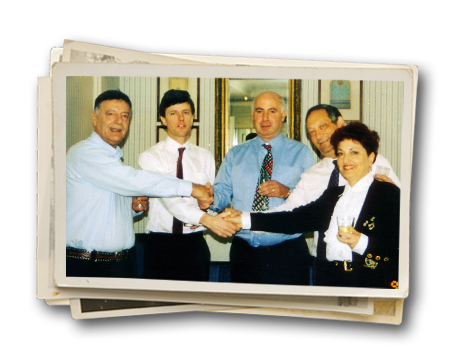
1995
Unilever and Strauss: a love story
Strauss turned to the world’s biggest ice cream company, the global corporation Unilever, seeking a partnership. The corporation initially acquired a 50% ownership stake in Strauss’s ice cream division and over the years increased its holdings. In 2014 the Strauss family signed an agreement to sell the remaining 10% of their shares. Unilever will be able to continue using use the Strauss brand name and logo.
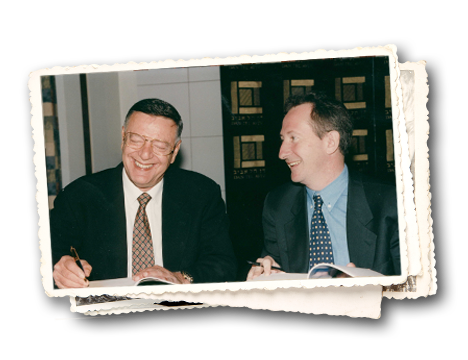
1996
Thinking ahead
Under Michael’s leadership, Strauss succeeds in building significant relationships and a culture of partnerships that would enrich the company with knowledge and competitive advantages.
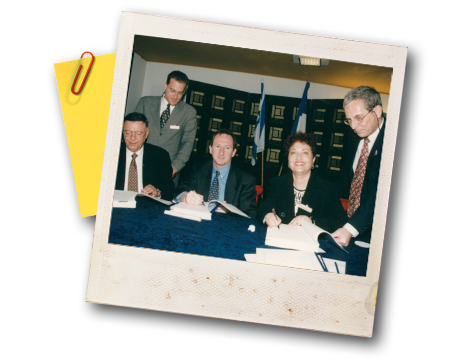
1996
Danone makes a grand re-entrance
In light of the success of Strauss Dairies the historical partnership with Danone was
renewed when Danone sought to acquire 20% of the Dairies. The partnership has
facilitated innovation and product development and has granted Strauss the
possibility to manufacture and market additional Danone products in Israel.
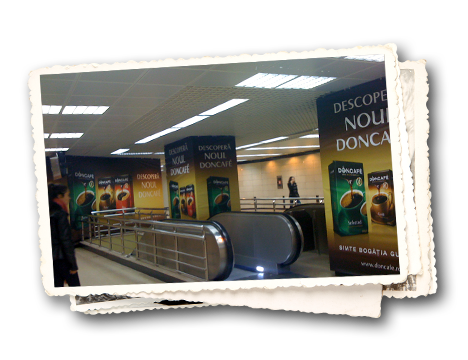
1996
How do you say coffee in Romanian?
Elite established an R&G coffee plant in Romania, launched the coffee brands
Pedro’s, Sahara and Elita in the Eastern European emerging economy, and became
leader of the Romanian coffee market.
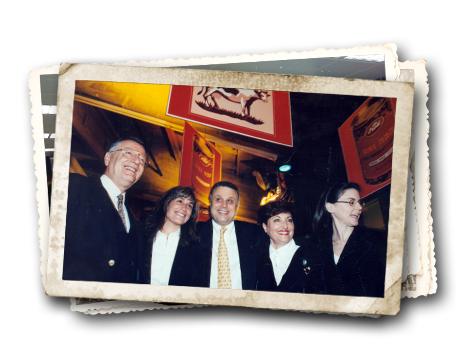
1996
The Strauss family joins Elite
At the beginning of the year an agreement was signed between the Federman family
and the Strauss family’s investment company, under which Strauss acquired 15% of
the voting shares and 7.8% of the capital shares of Elite.
1997
The Strauss era comes to Elite
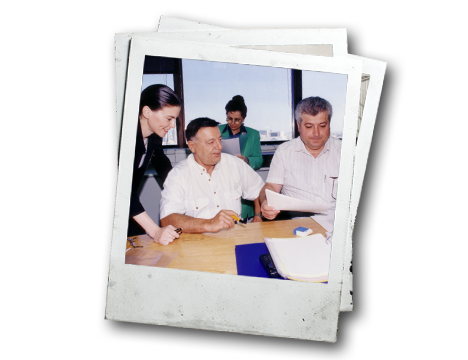
The Strauss family, with Michael at his head, acquired control of Elite, and thus, Strauss became the second-largest food manufacturer in Israel. It was Michael Strauss who saw the union with Elite as far more than a mere business opportunity. He understood the natural, called-for bond between the two companies, the combined power of companies that share a similar heritage, and recognized Elite’s international potential.
1997
On the way to Eilat, stop at Yotvata
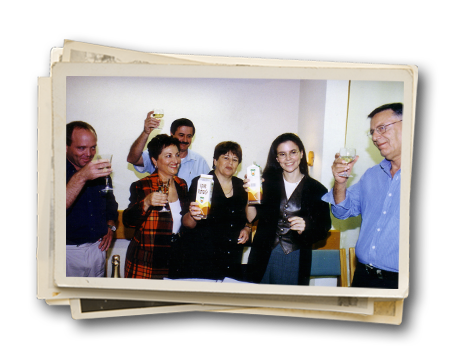
With the aim of entering the milk drink market in Israel, Strauss entered into a
partnership with Kibbutz Yotvata and acquired 50% of the Yotvata Dairy in the
southern kibbutz. The successful partnership contributed to an improvement in the
dairy’s management, production and marketing processes, making Yotvata the
leading brand in the Israeli milk drink market.
1998
PepsiCo Frito-Lay becomes a partner
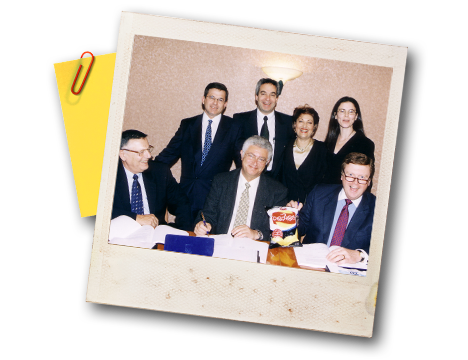
The international food giant PepsiCo Frito-Lay entered into a partnership with Elite,
acquiring 50% of Elite Foods, Elite’s salty snack company, for $6.7 million.
1998
Expansion of the coffee business
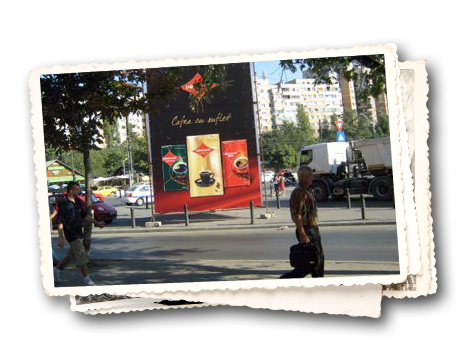
Elite’s coffee operation expanded into additional countries in Eastern Europe and the
Balkan – Elite acquired coffee plants in Bulgaria, Croatia and Turkey, and increased
exports of instant and agglomerated coffee to Russia.
2000
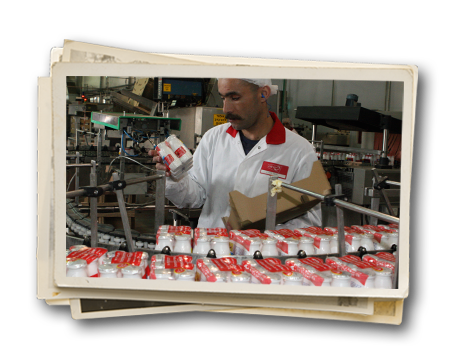
The biggest dairy in the Middle East
Before retiring as chairman of the company, Michael Strauss completed one more enterprise – building the new dairy in Achihud, the biggest and most advanced in the Middle East and among the most sophisticated of its kind in the world. At the inauguration ceremony in 2001, Michael handed over the baton to his daughter, Ofra.
2000
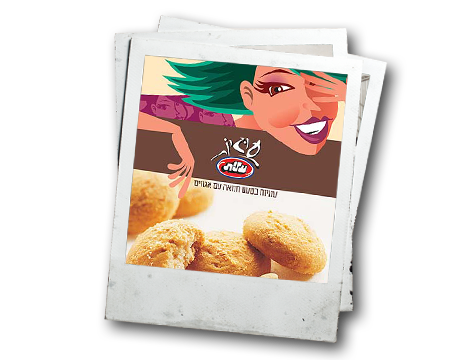
Elite bakes up a storm
Identifying the high growth potential in the cake market, Elite entered the cookie
category in the bakery sector, acquiring the Kfar Saba Biscuit factory and De La Paix
pastries in Rishon Lezion.
2000
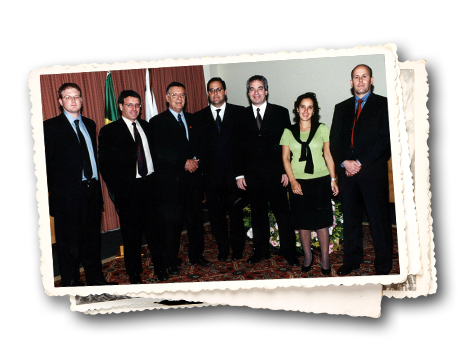
Selling coffee to the Brazilians
Elite continued to expand internationally and acquired the Brazilian coffee company,
Três Corações, “Three Hearts”, for $41 million. The acquisition provided the
company with a source of raw materials and granted Elite control over 40% of the
cappuccino market in Brazil.
2001
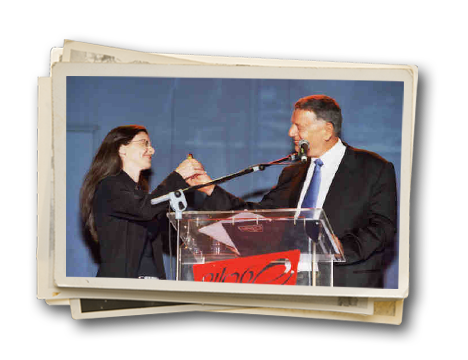
Strauss – the next generation
The baton was passed to the next generation with the appointment of Ofra Strauss,
Michael’s daughter, as chairperson of the Group. Ofra’s appointment followed a
series of management positions she had held in the company. Erez Vigodman,
Elite’s CEO, was appointed CEO of the Group.
2001
Max Brenner joins the Group
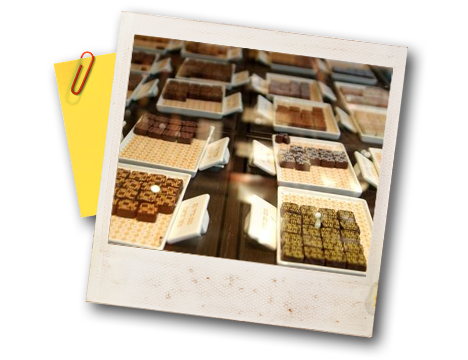
Elite acquired the premium chocolate brand, Max Brenner, and developed the
chocolate experience and the novel concept of the Max Brenner Chocolate Bar.
2002
Agreement with Lavazza
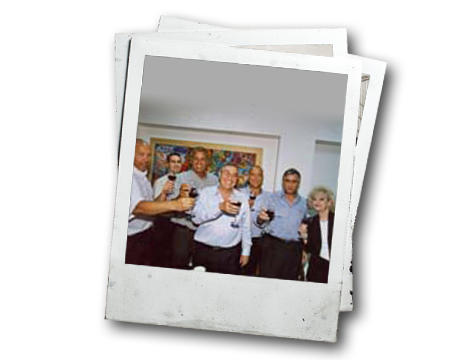
A memorandum of understanding was signed for strategic collaboration with the
Italian espresso company, Lavazza, which has operations in over 70 countries
worldwide. Elite distributes Lavazza in the institutional market in Israel, as well as in
other countries where the Group is active.
2002
Honey makes the world go around
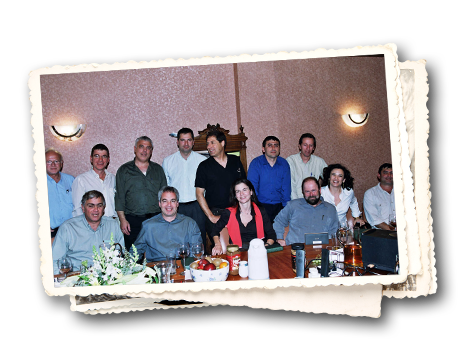
Elite entered a partnership with the Yad Mordechai Apiary following the acquisition of
51% of the enterprise. The agreement included the development, manufacture, sale,
marketing and distribution of honey products, olive oil and confitures under the Yad
Mordechai brand.
2003
Strauss conquers the cut vegetables market
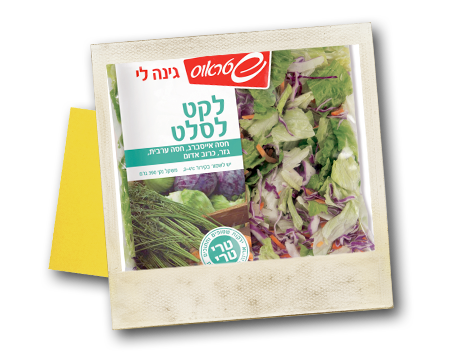
In light of the increasing consumption of refrigerated cut vegetables and in response
to the health and wellness trend, Strauss acquired 51% of A.N.P. Fresh Vegetables.
Five years later, Strauss acquired full ownership of A.N.P.
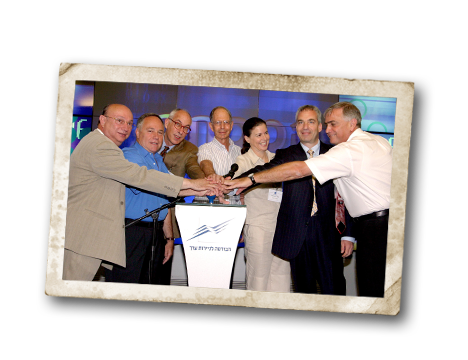
2004
Strauss-Elite: the merger
Under the management of Ofra Strauss and Erez Vigodman the Strauss-Elite merger
was consummated, making Strauss an international publicly traded group and the
second largest food company in Israel, posting impressive international growth.
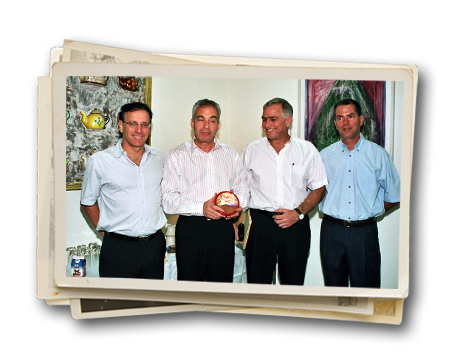
2005
America loves hummus
Strauss entered the North American food market after signing a partnership
agreement and acquiring 51% of the American Mediterranean salads and dips
company, Sabra, as yet another step in realizing the Group’s international expansion
strategy. Strauss brought with it know-how and an approach to marketing that led to
the growth of the brand and of the entire category.
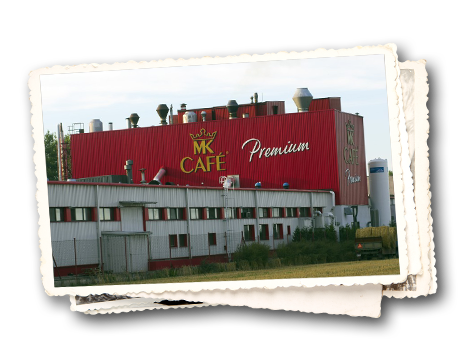
2005
Acquisition of MK Poland
Strauss Coffee acquired MK Poland, which dominates one-fifth of the coffee market
in that country. The major brand acquired in the transaction is MK Premium, the
Number 2 brand in Poland’s premium R&G segment. After the closing, Strauss held
an 18%-19% share of the Polish R&G market, enabling it to grow to become the
second largest coffee company in the country.
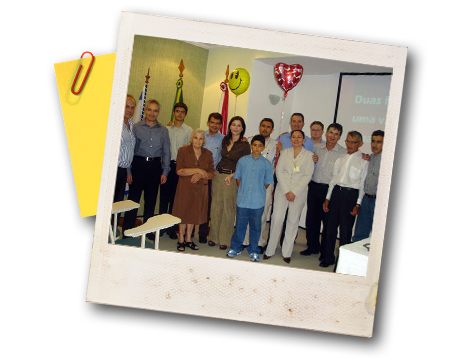
2005
Number 2 in Brazil
An agreement was signed for the merger of Strauss-Elite’s coffee operation in Brazil
with Santa Clara, a Brazilian coffee company owned by the Lima Brothers.
Partnership in the merged company is 50%-50% of ownership and control, and the
merger has made the company the second largest in Brazil.
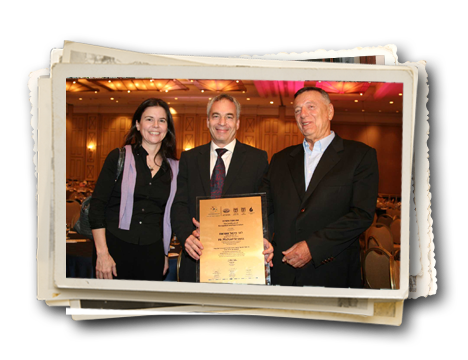
2006
Lifetime Achievement award
In 2006 Michael received the Manufacturers Association of Israel’s Lifetime Achievement award, and one year later, he was awarded the Prime Minister’s Mark of Honor in recognition of a lifetime achievement and long-standing contribution to economic development.
2006
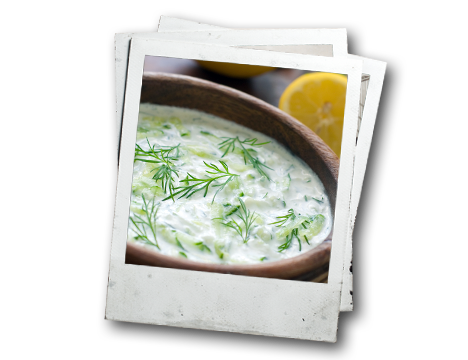
Acquisition of Carousel
Strauss acquired Carousel Foods of America through its subsidiary, Sabra. Carousel
is a New York company that specializes in dairy dips.
2007
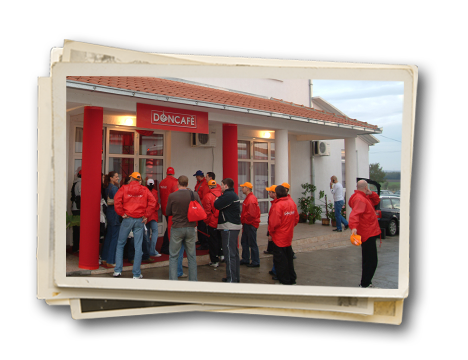
Doncafé
Strauss signed an agreement for the acquisition of complete ownership of Doncafé.
2007
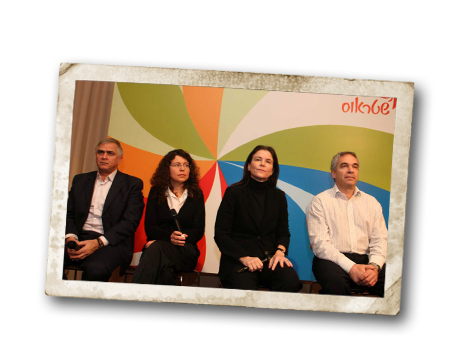
Strauss: one company, one identity, all over the world
As part of the process of creating a single company identity, the name Strauss-Elite
was changed to Strauss. A new corporate logo was launched, an initial expression of
the Group’s new communication language.
2008
PepsiCo becomes a partner in the hummus revolution
Strauss signed a 50/50 partnership agreement with PepsiCo for the development,
manufacture and marketing of refrigerated dips and spreads in the USA and Canada
through the company, Sabra. The agreement has taken hummus, eggplants and
Middle Eastern dips and spreads from Israel straight to the shelves of America’s
leading supermarket chains and into the homes of American consumers.

2008
Acquisition of CK in Russia
Strauss signed an agreement for the acquisition of the coffee brands of Cosant
Enterprises Ltd. in the CIS countries. Following the closing, the major instant coffee
and R&G brands acquired were fully merged with Strauss’s coffee operation in these
countries. The acquisition boosted the scale of Strauss’s activity in this market,
making Strauss Coffee the Number 2 player in the Russian roasted and ground
coffee market.
2008
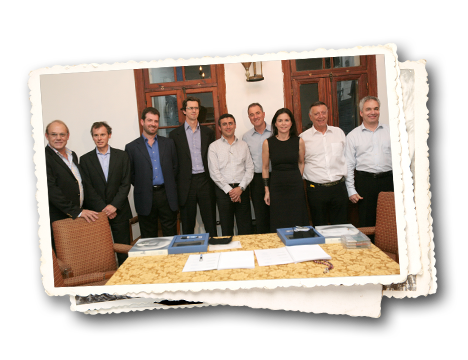
Partnership with TPG Capital in Strauss Coffee
Strauss signed a collaboration agreement with TPG Capital, one of the largest
private equity investment firms globally, for an investment by TPG in Strauss Coffee
(25.1%).
2008
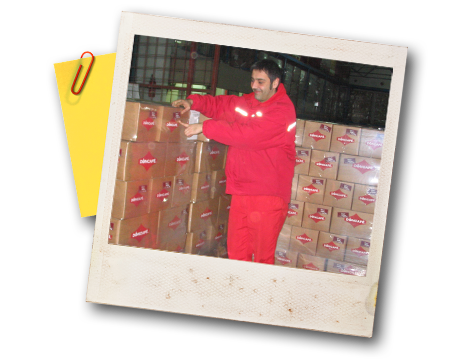
Strauss Coffee comes to Albania
Strauss Coffee signed an agreement with DonCafé of Italy for the acquisition of the
latter’s coffee operation in Albania, Kosovo and Macedonia. The acquisition
supplemented Strauss Coffee’s operations in the ex-Yugoslavia countries.
2009
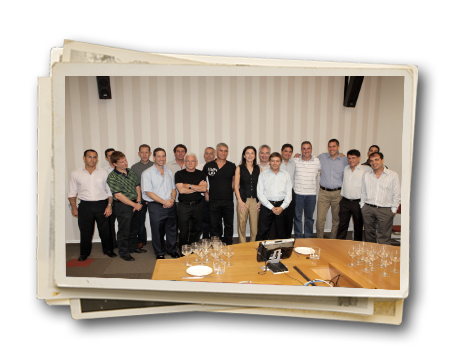
Strauss acquires Tami4 and establishes Strauss Water
Strauss Group acquires Tana Industries Ltd., owner of the Tami4 brand, merging it with Strauss’s H2Q venture to form Strauss Water.
In the same year, the company launched the next generation of water bars, Tami4 Primo, which met with great success thanks to introducing the design element to the kitchen.
2010
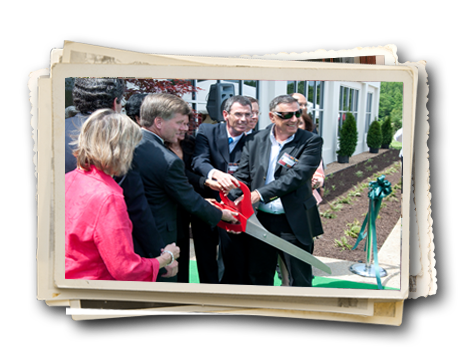
The world’s biggest and most advanced salad plant is established in Virginia
The Strauss Group inaugurated Sabra’s new dips and spreads plant, considered the
biggest and most sophisticated of its kind in the world, with co-owner PepsiCo Frito-Lay. The plant, built with an investment of $70 million, is a green factory and is
certified under the U.S. Green Building Council’s LEED (Leadership in Energy and
Environmental Design) certification program and is considered the largest and most
advanced hummus plant in the world.
2011
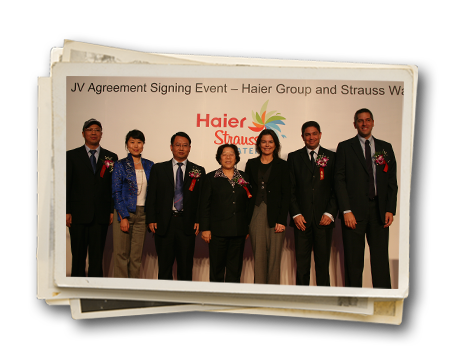
Establishment of a joint venture in China
Strauss Water of the Strauss Group signed an agreement with the Haier Group, the
Chinese home appliance and consumer electronics giant, for the establishment of a
joint venture in China in the home water solutions market. The venture is active in the
marketing, sale and servicing of Strauss Water’s products in China. The new
company, Haier Strauss Water, launched its first products in the Chinese market in
2011.
2011
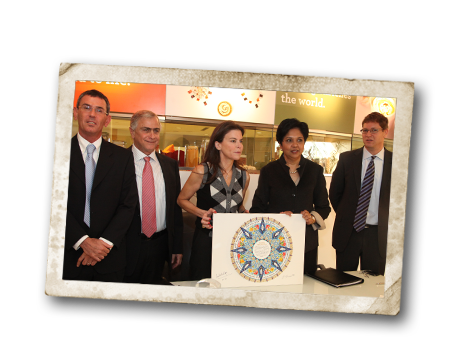
New collaboration venture with PepsiCo
Strauss and PepsiCo signed another agreement to establish a new international
company, which will manufacture and market fresh dips and spreads in leading
international markets. The venture perpetuates the unique partnership between the
two corporations, each of which holds a 50% stake in the jointly held company.
2011
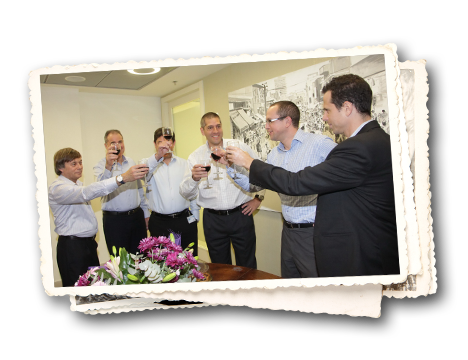
Joint venture in the UK with Virgin
Strauss Water of the Strauss Group signed an agreement with a company of the
Virgin Group, which is among the world’s largest investment firms, to establish a joint
venture. The partnership, based on Strauss Water’s operation in UK (established in
2004), is active in the marketing, sale and servicing of Strauss Water’s products in
UK and Ireland.
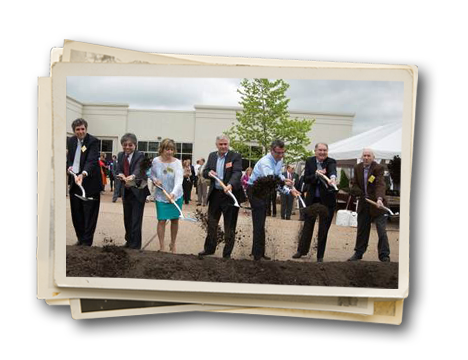
2012
Establishment of a Center of Excellence in Virginia for R&D in the hummus, dips and spreads category
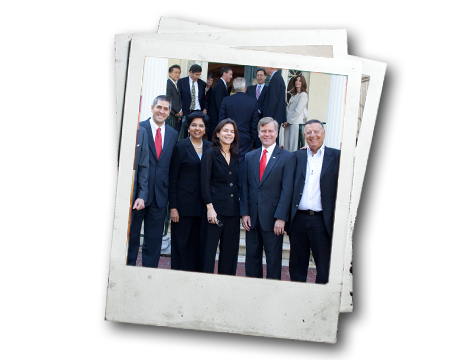
In a formal ceremony attended by the Governor of Virginia, Bob McDonnell, Strauss
Group Chairperson Ofra Strauss, Sabra CEO Ronen Zohar and other senior
executives from Sabra and PepsiCo, the cornerstone was laid for the Center of
Excellence R&D facility in Virginia.
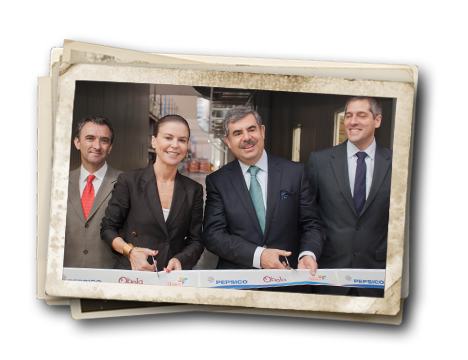
2013
Strauss Group and PepsiCo launch Obela in Mexico and Australia
As part of launching our joint global company under the “Obela” brand, new plants were inaugurated in Mexico and Australia and new product lines were launched. The brand was born under the concept “flavors that bring people together from around the world” with an aim to connect various people, tastes, cultures and eating experiences.
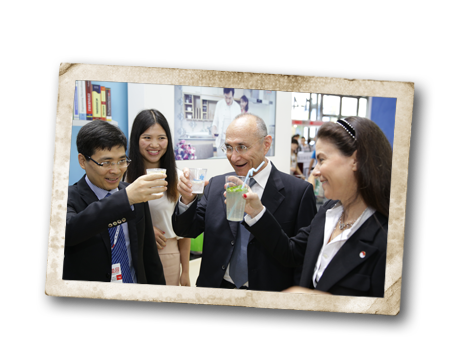
2013
Consolidation and expansion of Haier Strauss Water’s activity in China
As part of the cooperation between the electronics giant Haier and Strauss Water, the company’s marketing activity expanded into four additional provinces in China, increasing the water bar product range offered to the Chinese market.
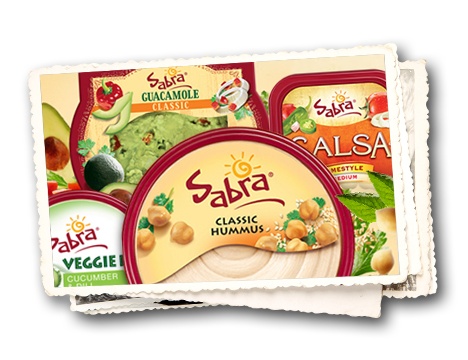
2013
Not just hummus
Following Sabra’s success in the U.S., the company started to produce two new dips, salsa and guacamole, thereby becoming the largest dips and spreads company in the U.S.. That same year activities expanded, as the company started to market hummus in Canada as well.
2013
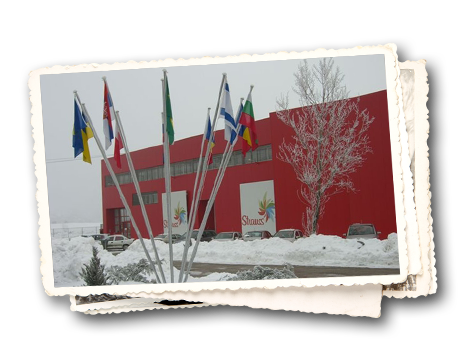
Acquisition of a new coffee plant in Germany
As Strauss Coffee solidified activities in Europe, it acquired a freeze-dried instant coffee production plant from NDKW, thereby improving its supply chain apparatus primarily in Eastern Europe.
2014
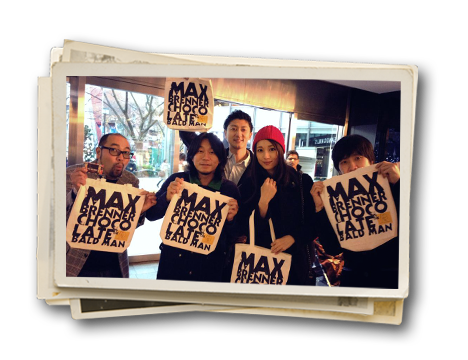
They eat chocolate in Japan and Russia too
Chocolate by the bald man arrived at two new continents. As Max Brenner extended its reach, two new branches opened in Japan and one in Russia, making Max Brenner the largest chocolate bar chain in the world.
These branches include a specialty store that sells products manufactured in the company’s plant in Beit Shemesh and exported worldwide.
2014
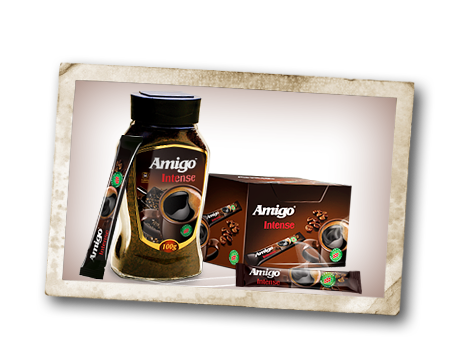
Expansion of the global coffee activity
Strauss Coffee continues to expand and acquired the instant coffee brand Amigo, that holds the largest market share in Romania. This year, the company started marketing coffee machines and coffee capsules in Brazil, thereby increasing the product range and consumption opportunities of coffee in this region.
2015
Establishment of The Kitchen, Strauss’ technological incubator
Following Strauss Group’s first step in a journey that began in 2011 with the formation of the Israeli Foodtech community, Strauss was awarded a tender by the Chief Scientist of Israel’s Economics Ministry to set up a technology incubator. In January 2015, the incubator began operating, with the goal of investing in early stage, ground-breaking technology entrepreneurs, who are relevant to the Israeli food industry in all areas of the value chain. In promoting technological innovation, the incubator aspires to improve the industry, and offer higher quality food to the entire world.
2015
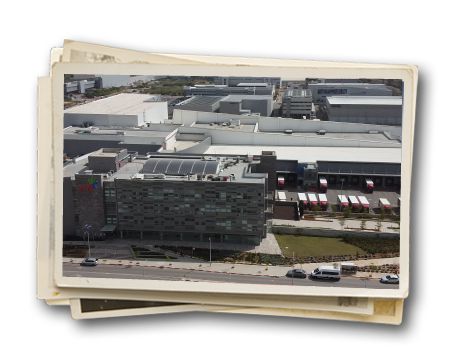
New logistics center in Shoham
Strauss inaugurates the new and advances logistics center in Shoham, Israel. The center is innovative and includes a major part of the logistics activities in Israel.
2016
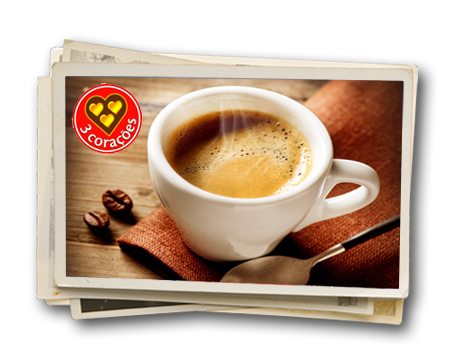
Três Corações maintains its position in the Brazilian coffee market.
Três Corações, a joint venture of Strauss Coffee and São Miguel Holdings, signed an agreement with Cia Iguacu, the second largest instant coffee player in the Brazilian instant coffee market, including the acquisition of its retail coffee brands. This deal is yet another reinforcement of the competitive position of Três Corações in the Brazilian instant coffee market, and transforms the joint venture into the second largest instant coffee player in the Brazilian market. As a result of the strong export capabilities of Cia Iguacu, the agreement enables the company to export additional products in South America.
2016
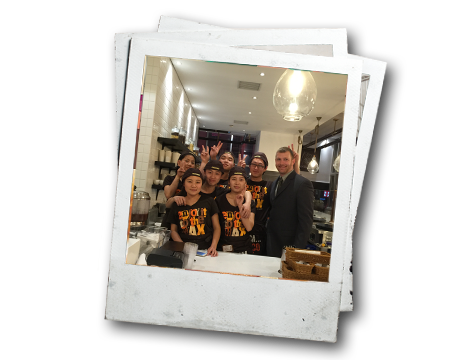
Max Brenner expands into China!
May 2016: Max Brenner’s first Chocolate Bar opens in Beijing.
The international chain, owned by Strauss Group, continues to expand in East Asia with the inauguration of its first location in China. The Chocolate Bar was opened in The Place, one of the largest shopping malls in Beijing’s financial district. Max Brenner simultaneously opened its fifth Chocolate Bar in Japan, near Tokyo Disneyland, making East Asia and Australia the chain’s key growth driver.
2016
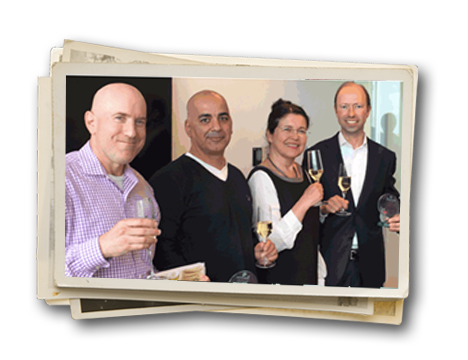
Obela acquires the Netherlands company, Florentin
PepsiCo Strauss Fresh Dips & Spreads International (Obela) acquired 100% of the share capital of the Dutch company Florentin, which is engaged in the development and manufacture of organic products including hummus, falafel, spreads and pita bread, and markets its products in Western Europe, particularly in the Netherlands, Germany and France. The acquisition of Florentin has expanded the Strauss and PepsiCo joint venture in the dips and spreads business into Western Europe.
2016
Acquisition of minority share at Strauss Water
Acquisition of share at Strauss water turns Strauss group the owner of the entire share of the company.
2017
Strauss Group sells Max Brenner
Strauss Group acquired the Max Brenner chain in 2001, and in subsequent years the chain grew and spread internationally.
In May 2017 Strauss Group sold Max Brenner to the chain’s franchisees in Israel, Yaniv Shtanger and Dudu Vaknin, in the belief that its sale to leading professionals in the restaurant trade who are closely acquainted with the chain will be beneficial to Max Brenner’s continuing global expansion and growth.
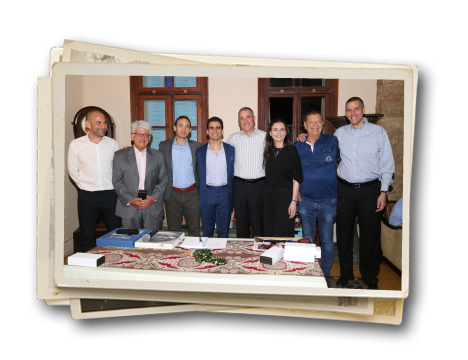
2017
Acquisition of TPG shares at Strauss Coffee
Strauss buys back the TPG shares in the Coffee company and is now in full control of Strauss Coffee.
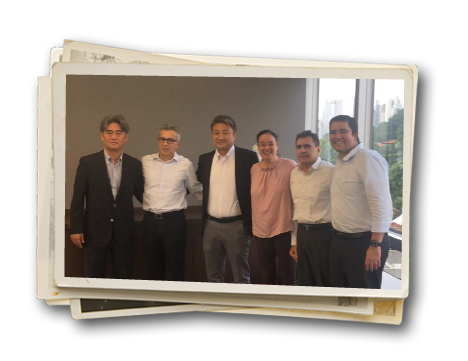
2020
Tres Coracoes acquires Mitsui Aliemntos in Brazil
Joint venture of Sao Miguel and Strauss coffee, Tres coracoes company in Brazil, acquires the roast and ground division of Mitsui Aliemntos and expands its control in the coffee market in the area.
2020
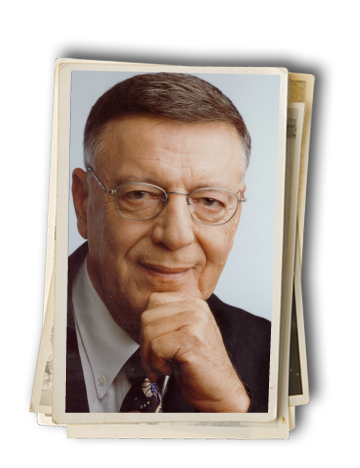
The death of Michael Strauss
The death of one of the founding pillars of Strauss Group, and who served for many years as the head of the company, Michael Strauss. Michael was the son of the company’s founders and he made Strauss a significant and innovative force around the world.
2022
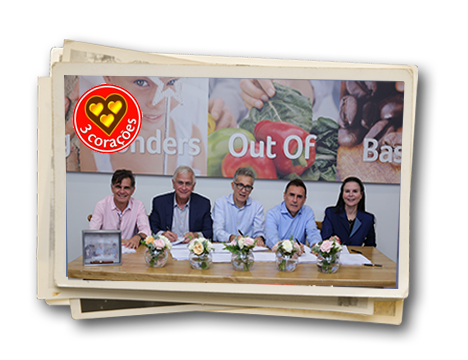
Extend our partnership with Três Corações
Strauss Group signed a partnership agreement with Brazil’s São Miguel company to extend our partnership for 20 more years.
2023
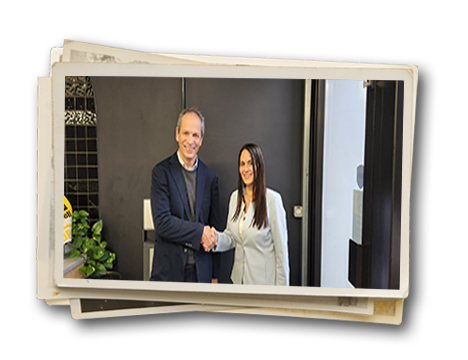
Expansion of our water business in the UK
Strauss Group is boosting its water business in the UK through its subsidiary, Strauss Water, which has finalized a strategic collaboration with Culligan International.
2024
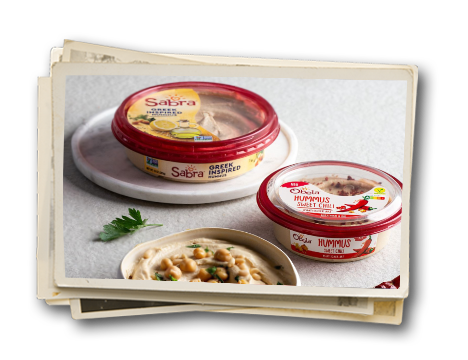
Strauss Group announced the sale of its holdings in Sabra and Obela to PepsiCo
2025
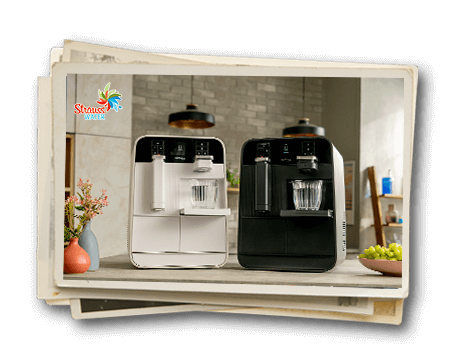
Strauss Water Launches Tami4Shabbat – Dedicated to Sabbath Observers
For the first time in Israel, Strauss Water introduces a water bar designed for everyday use, including Sabbaths and holidays – fully compliant with Jewish law and certified Mehadrin by Badatz Rubin, meeting the strictest halachic standards.Tami4Shabbat combines convenience with innovation, featuring the advanced tami4maze purification technology – one of the most cutting-edge systems worldwide – to deliver fresh, high-quality, and great-tasting water all week long.
2025
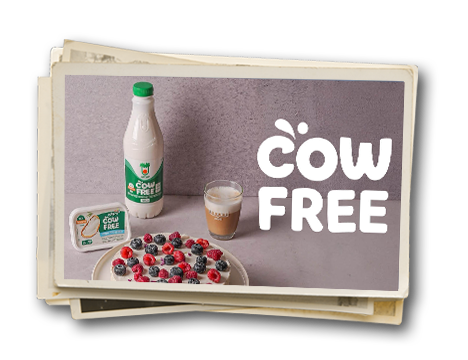
Strauss Group Unveils A Game-Changing New Product Line: CowFree
For the first time in Israel: the CowFree product line. CowFree Yotvata products and Symphony cream “cheese” based on animal free BLG protein, a protein identical in composition to one of the key proteins found in cow’s milk, produced through precision fermentation technology.
This new category reflects Strauss Group’s purpose of “Nourishing a Better Tomorrow” by bringing Food-Tech innovation within reach of consumers.
2025
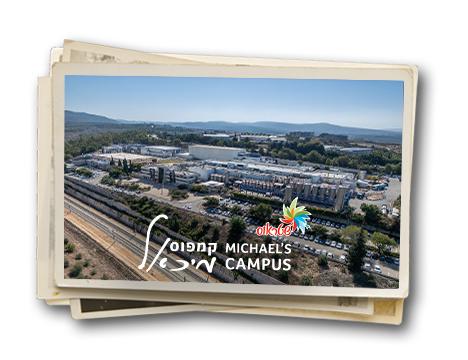
Inaugurating “Michael’s Campus”, named after Michael-Strauss, in Ahihud
The opening of Michael’s Campus is the realization of Michael Strauss’s vision. Michael Strauss always dreamed of developing the north and establishing Israeli industry as a global leader. For us, “Nourishing a Better Tomorrow” holds profound meaning – particularly in times like these. Building new industry in Israel at the present time is a statement: We’re here to stay, to build, to invest in the future of Israel and the north. The new facility will manufacture a variety of plant-based beverages, yogurts and desserts, integrating advanced food technology.
